-
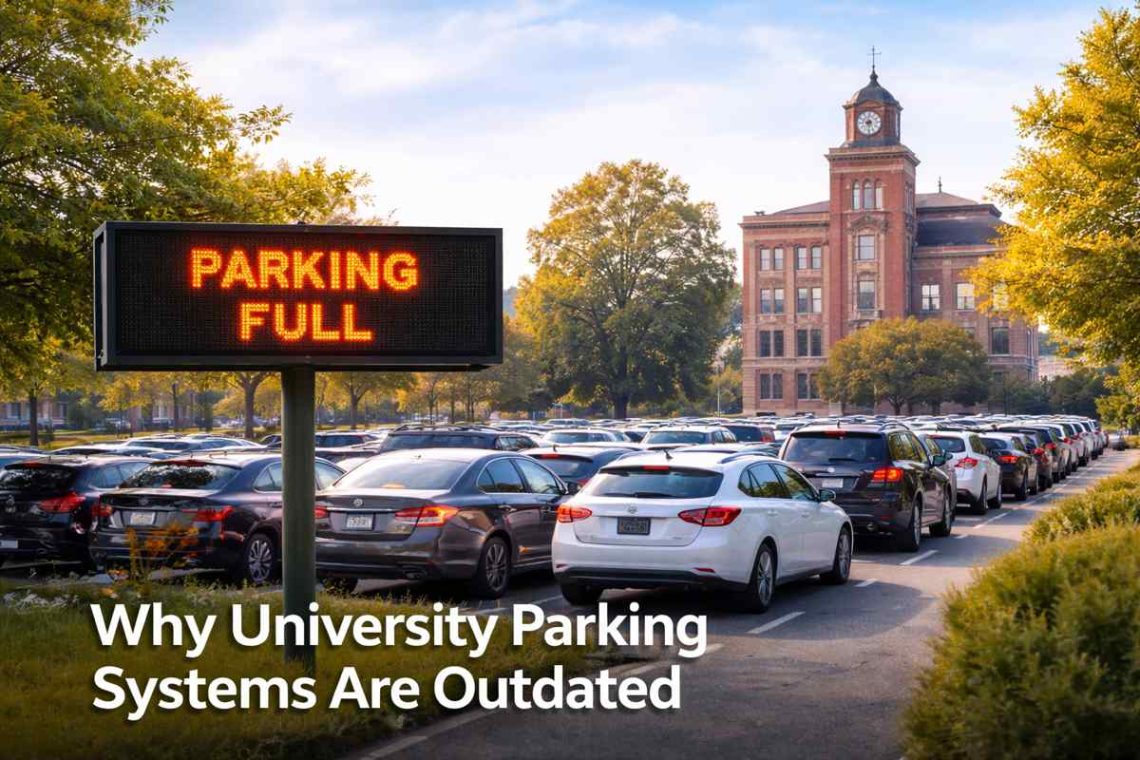
Why University Parking Systems are Outdated!
University parking systems have remained largely unchanged for years, despite increasing student populations and growing demand for limited space. Most campuses still rely on static parking permits and first-come, first-served availability, which often leads to overcrowding, inefficiency, and frustration for students. These outdated systems fail to adapt to real-time conditions, leaving students to rely on trial and error when searching for parking. One of the biggest issues with traditional parking systems is the lack of data-driven decision-making. Students often spend valuable time driving around campus looking for available spots, increasing stress and reducing productivity. Additionally, expensive parking permits do not guarantee convenience, creating a disconnect between cost and actual value.…
You May Also Like
The Future of AI in Smart Cities
-
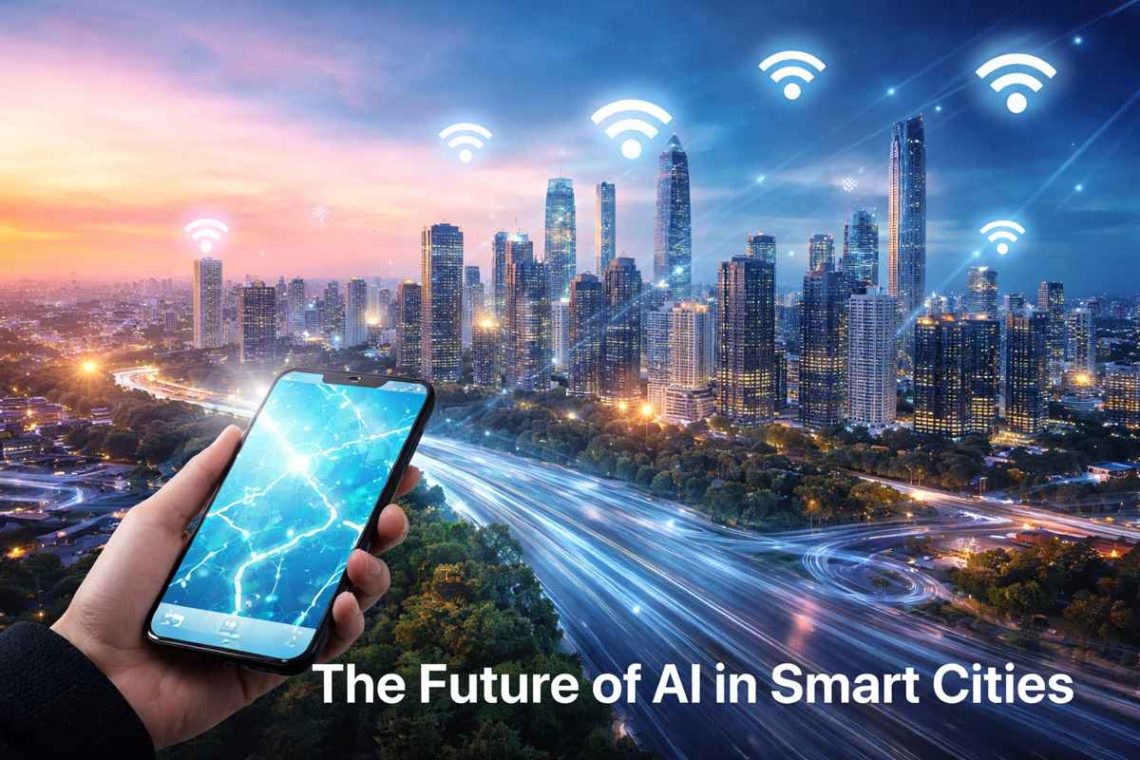
The Future of AI in Smart Cities
As cities continue to grow, managing infrastructure efficiently has become increasingly complex. Artificial intelligence is rapidly emerging as a key solution in the development of smart cities, helping improve transportation systems, reduce congestion, and optimize resource allocation. From traffic flow optimization to predictive maintenance of infrastructure, AI is transforming how cities operate and respond to real-time conditions. One of the most impactful applications of AI in smart cities is in mobility and parking systems. Traditional parking methods rely heavily on guesswork and static systems, which often lead to inefficiencies and frustration. AI-driven platforms can analyze real-time data, historical trends, and user behavior to predict availability and guide users more effectively.…
You May Also Like
Why University Parking Systems are Outdated!